
Diabetic Eye Care in Baytown, TX: How Retinal Exams Prevent Vision Loss Before Symptoms Start
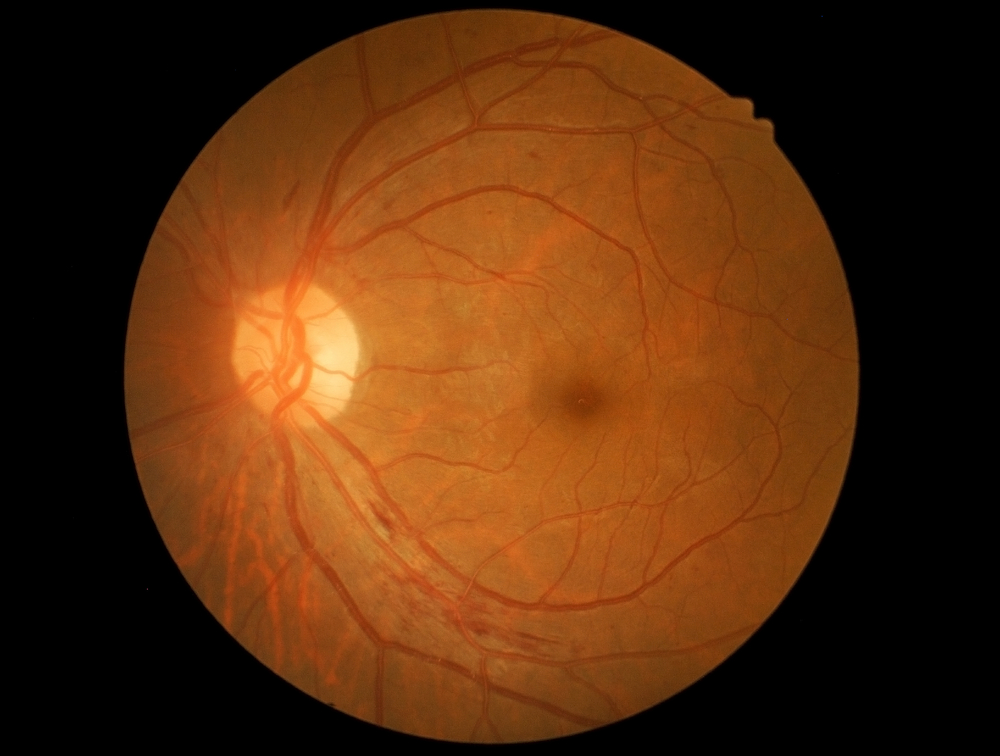
Diabetes can affect more than blood sugar. Over time, it can also damage the delicate blood vessels inside the eyes, potentially leading to diabetic retinopathy and permanent vision changes. The challenge is that early diabetic eye disease may develop before you notice problems with your eyesight. At Vision Source Chambers Town Center, diabetic-related eye exams allow us to examine the health of your retina and look for changes that may require closer monitoring or treatment.
Why Diabetes Can Affect the Retina
The retina is the light-sensitive tissue located at the back of the eye. It depends on a network of tiny blood vessels to function properly. Persistently elevated blood sugar can damage these vessels, causing them to leak blood or fluid into the retina.
This condition is known as diabetic retinopathy. As it progresses, retinal swelling, abnormal blood vessel growth, and scarring can interfere with vision. Both Type 1 and Type 2 diabetes can increase the risk.
Diabetic Retinopathy Can Start Without Symptoms
One reason regular retinal exams are so important is that you may not immediately notice diabetic eye disease developing. Your vision can seem clear while changes are already occurring inside the retina.
As diabetic retinopathy progresses, symptoms may eventually include:
• Blurred or fluctuating vision
• New or increasing floaters
• Dark or missing areas in your field of vision
• Difficulty seeing clearly at night
• Colors that appear faded
• Partial or significant vision loss
Rather than waiting for symptoms, routine diabetic eye exams give us an opportunity to identify concerning retinal changes earlier.
What Happens During a Diabetic Eye Exam?
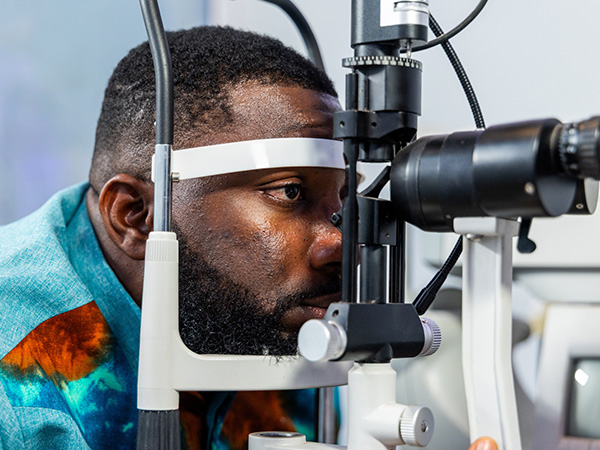
A diabetic eye exam goes beyond checking whether you need glasses or an updated prescription. We evaluate the internal structures of your eyes, paying particular attention to the retina and its blood vessels.
Your examination may include pupil dilation and retinal imaging, allowing us to obtain a detailed view of the back of your eyes. We can look for leaking blood vessels, retinal swelling, or other abnormalities associated with diabetes. Vision testing may also be performed to evaluate how clearly you are seeing. These findings help us determine whether your eyes appear healthy, whether changes need to be monitored, or whether additional medical care may be appropriate.
Who Is at Greater Risk for Diabetic Eye Disease?
Anyone with diabetes should take retinal health seriously, but certain factors can increase the likelihood of diabetic retinopathy. Risk can be higher for people who have lived with
diabetes for many years, have difficulty maintaining healthy blood sugar levels, or also have high blood pressure or high cholesterol. Pregnancy can also affect diabetic retinopathy risk. Keeping up with recommended diabetic eye care in Baytown can help identify changes before they have a greater impact on your sight.
Schedule a diabetic-related eye exam with Vision Source Chambers Town Center to take a proactive approach to protecting your sight. Contact our office in Baytown, TX, by calling (346) 644-7400 to book an appointment today.
Helpful Articles
All Eye Care Services
Find personalized eye care excellence with our comprehensive services. From eye exams to advanced diagnostics, trust us for all your vision needs.

Keep In Touch
For non-urgent questions or to learn more about our services, contact us today!
© 2026 Vision Source Chambers Town Center. All rights Reserved - Accessibility Statement - Privacy Policy - Sitemap
Managed and Designed by 